


Personalised Treatment Planning: A Growing Trend in FUE Hair Transplant Istanbul
Hair loss can affect people in different ways. Hair density, hairline shape, donor area, age, and the pattern of hair loss can vary from one person to another. Because of this, a single treatment plan may not be suitable for everyone.
Personalised treatment planning is becoming an important part of modern hair restoration. Instead of using the same approach for every patient, clinics can assess individual needs before developing a treatment plan. This approach is particularly relevant for people considering a FUE hair transplant in Istanbul.
Istanbul has become a well-known destination for hair restoration. However, choosing a clinic should not be based on location alone. The quality of consultation, treatment planning, medical assessment, technique, and aftercare should all be considered.
What Is Personalised Hair Transplant Planning?
Personalised treatment planning means developing a hair restoration approach around the individual patient. The process usually begins with an assessment of the hair loss pattern and the condition of the donor area.

A suitable plan may consider the patient's existing hair density, hairline, future hair loss, graft requirements, and overall goals. The aim is to create a natural-looking result while making sensible use of available donor hair.
This approach is important because hair transplantation is not simply about moving as many grafts as possible. Good planning considers how the transplanted hair should work with the patient's existing hair.
Why FUE Remains a Popular Hair Restoration Option
Follicular Unit Extraction, commonly known as FUE, involves removing individual follicular units from a donor area and placing them into areas affected by hair loss.
The technique allows grafts to be selected and placed with attention to the planned hairline and areas of reduced density. Since individual follicular units are extracted, treatment can be planned with a focus on the patient's specific requirements.
People researching hair transplant Istanbul often compare different techniques before deciding which option may be appropriate for them. A proper consultation can help patients understand the available choices rather than selecting a procedure based only on advertising.
The Role of the Hairline in Personalised Planning
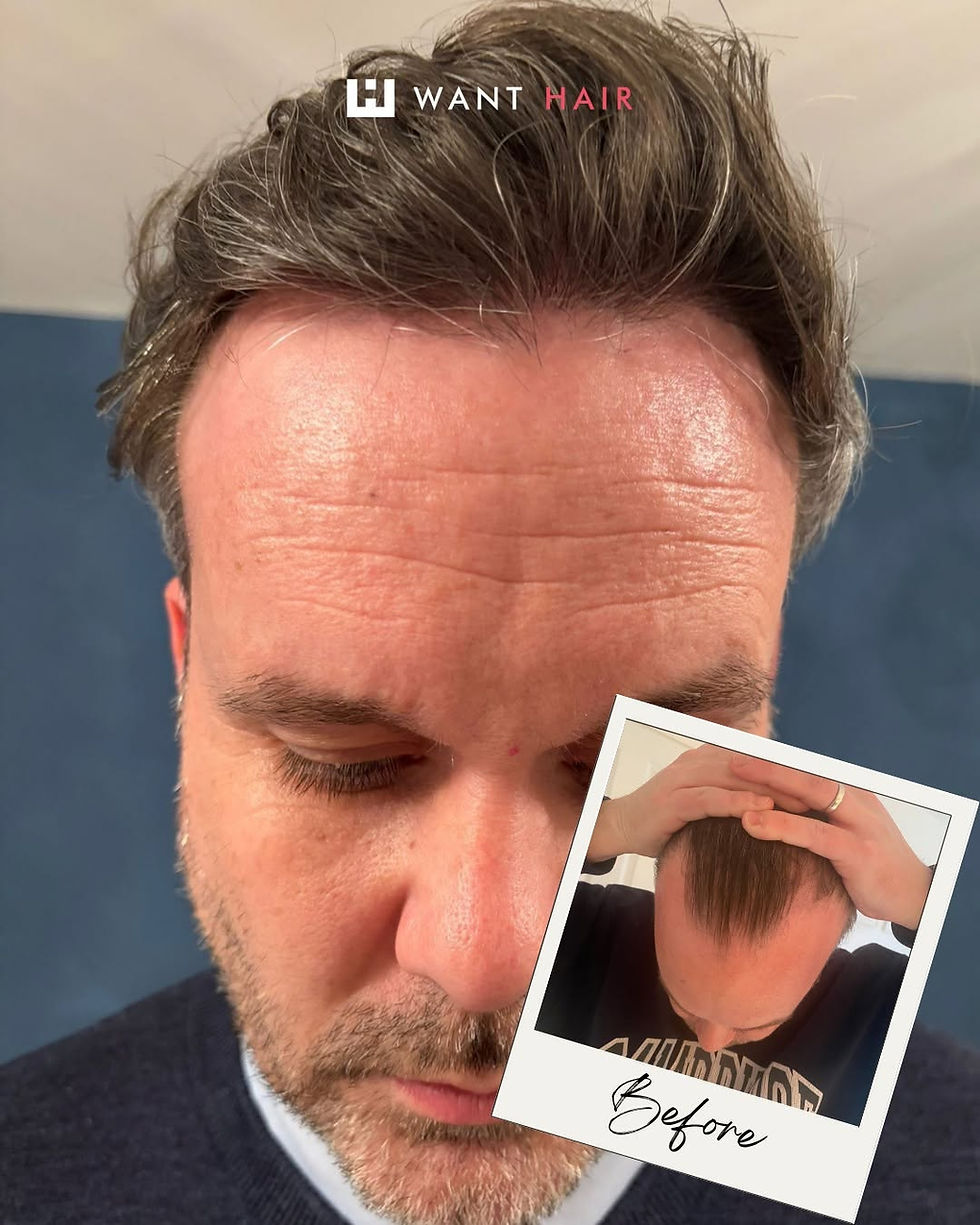
The hairline is one of the most visible parts of a hair transplant. Its design can have a major influence on how natural the final appearance looks.
A personalised plan considers factors such as facial proportions, age, existing hairline, hair density, and the direction of natural hair growth. A hairline that looks suitable for one person may not be suitable for another.
Experienced hair restoration professionals aim to create a hairline that complements the individual's appearance. They also need to consider possible future hair loss when planning the position and density of transplanted hair.
This is one reason patients should look beyond claims about the best hair transplant in Istanbul and focus on the quality of the consultation and treatment plan.
Donor Hair Assessment Is Essential
The donor area provides the grafts used during an FUE procedure. Its condition therefore plays a key role in treatment planning.
Before treatment, the donor area should be assessed for density, hair quality, and the availability of suitable grafts. A professional assessment can help determine what may realistically be achieved.
Using too many grafts without considering future needs may not be a sensible long-term approach. Personalised planning aims to use donor resources carefully.
For patients considering ahair transplant in Istanbul, Turkey, understanding donor capacity is an important part of making an informed decision.
Planning Around Future Hair Loss
Hair transplantation does not necessarily stop future hair loss. Existing non-transplanted hair may continue to thin over time.
This makes long-term planning important. A treatment plan should consider the patient's current condition as well as possible future changes.
The age of the patient, pattern of hair loss, family history, and current hair density may all be relevant during a medical assessment. A responsible consultation should explain what the procedure can and cannot achieve.
This can help patients develop realistic expectations rather than expecting an identical result to photographs seen online.
Graft Placement Should Support a Natural Appearance
Personalisation also applies to graft placement. Natural hair does not grow in a perfectly uniform pattern. Hair direction, angle, density, and spacing can vary across different parts of the scalp.
During an FUE procedure, graft placement can be planned according to the characteristics of the treatment area. The hairline may require a different approach from the central scalp or crown.
Careful placement can help create a more natural transition between transplanted and existing hair.
Technology Can Support Better Planning
Modern hair restoration clinics may use digital imaging, magnification, and other assessment tools to support treatment planning. These tools can help professionals examine the scalp and donor area in greater detail.
However, technology should support clinical judgement rather than replace it. A digital image alone cannot determine whether someone is a suitable candidate for transplantation.
A thorough consultation remains important. Patients should have the opportunity to discuss their expectations, medical history, hair loss pattern, and treatment options with an appropriately qualified professional.
Why Consultation Matters Before Choosing a Clinic
The consultation is one of the most important stages of the hair transplant journey. It provides an opportunity to understand the proposed treatment and ask questions before making a decision.
Patients should ask about the procedure, who will perform the key stages, donor hair assessment, expected recovery, possible risks, aftercare, and realistic outcomes.
Those searching for hair transplant Istanbul services should compare clinics carefully rather than choosing based solely on price or promotional packages.
A good consultation should leave the patient with a clear understanding of the proposed treatment.
The Importance of Realistic Expectations
Personalised planning also means setting realistic expectations. Hair transplantation can improve the appearance of areas affected by hair loss, but results vary between individuals.
Factors such as donor hair availability, existing hair characteristics, the extent of hair loss, healing, and individual biological response can influence the outcome.
Patients should therefore be cautious about guarantees of a particular result. Before choosing a provider, they should understand what is realistically achievable in their individual case.
Aftercare Is Part of the Treatment Journey
Personalised care should not end when the procedure is complete. Aftercare is an important part of the overall treatment journey.
Patients are normally given instructions about caring for the scalp, washing the hair, physical activity, and follow-up. Following professional advice can help support the recovery process.
The exact aftercare instructions may vary according to the procedure and individual circumstances. Patients should follow the instructions provided by their treating medical team.
Want Hair Ltd and Personalised Hair Restoration
Want Hair Ltd provides hair transplant information and treatment services for people considering hair restoration, including procedures in Turkey. Its approach focuses on helping patients understand their options before making a decision.
For individuals researching FUE hair transplant in Istanbul having access to clear information can make the process easier to understand. Patients can explore factors such as treatment techniques, consultation, travel planning, recovery, and aftercare.
The emphasis on personalised planning is particularly useful because every patient's hair loss journey is different. A suitable treatment plan should reflect individual circumstances rather than relying on a standard approach.
Choosing a Hair Transplant Provider Carefully
Finding a suitable provider requires more than searching for the best hair transplant in Istanbul. Patients should examine the qualifications and experience of the medical team, the consultation process, treatment planning, facilities, aftercare, and patient feedback.
It is also important to understand exactly what a treatment package includes. Patients travelling internationally should consider consultation arrangements, transfers, accommodation, follow-up, and support before and after treatment where applicable.
Clear communication is especially important when travelling to another country for treatment.
Conclusion
Personalised treatment planning is an important trend in modern hair restoration. It recognises that every patient has different hair loss patterns, donor hair characteristics, expectations, and long-term needs.
For people considering a hair transplant in Istanbul, careful planning can help create a treatment strategy based on individual requirements. From hairline design and donor assessment to graft placement and aftercare, each stage can contribute to the overall treatment experience.
Those researching hair transplant Istanbul options should take time to compare providers and seek a proper consultation before making a decision. For international patients exploring FUE hair transplant Istanbul Turkey, working with an experienced provider such as Want Hair Ltd can help make the treatment journey clearer and more organised.
The goal should always be informed decision-making, realistic expectations, and a treatment plan designed around the individual.


Comments